
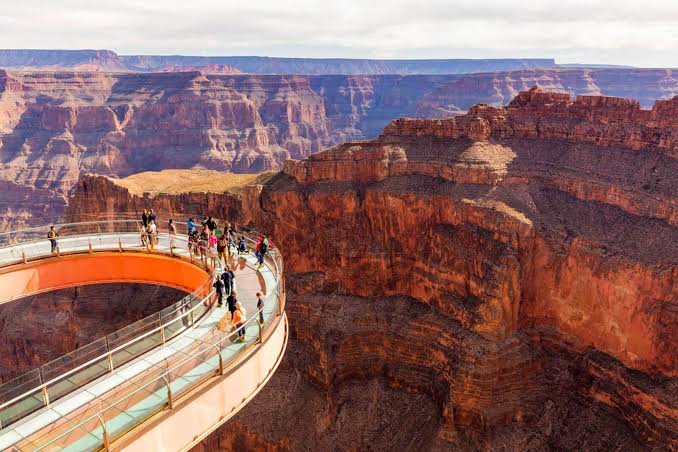
The Grand Canyon: A Historical Wonder and a Journey into Natural Beauty
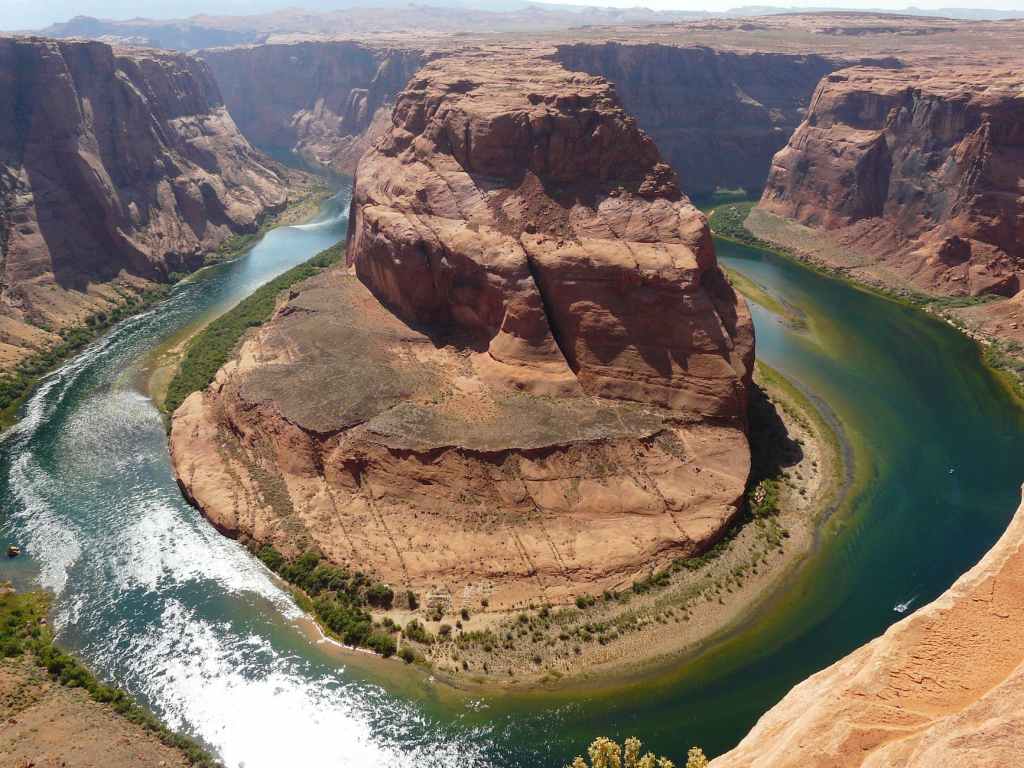
The Grand Canyon stands as a testament to the Earth’s geological history and is one of the world’s most awe-inspiring natural wonders. Carved over millions of years by the mighty Colorado River, this vast and magnificent canyon offers a glimpse into the Earth’s geological past. In this comprehensive article, we will explore the historical significance of the Grand Canyon, provide guidance on how to reach this remarkable destination, and delve into the various aspects that make it a must-visit site for travelers worldwide.
- Historical Significance of the Grand Canyon:
The Grand Canyon holds immense cultural and historical importance. Native American tribes, including the Havasupai, Hopi, and Navajo, have inhabited the region for thousands of years, considering it a sacred site. These indigenous communities have a rich cultural heritage deeply rooted in the canyon’s history and continue to preserve their traditions and connection to the land.
European exploration of the Grand Canyon began in the 16th century, with Spanish explorers venturing into the region. However, it wasn’t until the 19th century that extensive exploration and scientific studies took place, leading to a deeper understanding of the canyon’s geological formations and its place in the Earth’s history.
- Geology and Natural Beauty:
The Grand Canyon’s geological features are a result of millions of years of erosion. The exposed rock layers, ranging from ancient Precambrian rocks to younger sedimentary formations, offer a remarkable glimpse into the Earth’s geological timeline. The vibrant colors and intricate formations create a mesmerizing tapestry that captivates visitors.
The canyon’s vast size, stretching approximately 277 miles (446 kilometers) in length and reaching depths of over a mile (1.6 kilometers), is best experienced by exploring its various rims. The South Rim, the most accessible and popular, offers breathtaking vistas, while the less crowded North Rim provides a more secluded and serene experience. For the adventurous, descending into the canyon through hiking trails, such as the Bright Angel Trail, allows for a truly immersive experience.
- How to Reach the Grand Canyon:
The Grand Canyon is located in northern Arizona, making it accessible from various nearby cities and airports. The closest major airport is Phoenix Sky Harbor International Airport, which offers domestic and international flights. From Phoenix, visitors can travel by road, covering a distance of approximately 230 miles (370 kilometers) to reach the South Rim.
Alternatively, Las Vegas McCarran International Airport serves as another gateway to the Grand Canyon. From Las Vegas, the South Rim is approximately 275 miles (442 kilometers) away, accessible by car or guided tours.
- Exploring the Grand Canyon: Activities and Attractions:
The Grand Canyon offers a multitude of activities and attractions to suit every traveler’s interests. Popular activities include scenic helicopter or airplane tours, which provide a bird’s-eye view of the canyon’s vastness. Adventurous individuals can embark on thrilling white-water rafting trips along the Colorado River or partake in backpacking and camping excursions within the canyon.
For a more leisurely experience, visitors can explore the numerous lookout points along the rim, such as Mather Point and Yavapai Point, which offer panoramic views. The Grand Canyon Village, located at the South Rim, provides amenities, accommodations, and visitor centers where one can learn more about the canyon’s history and natural wonders.
The Grand Canyon stands as an unparalleled testament to the Earth’s geological history and natural beauty. Its historical significance, breathtaking vistas, and diverse range of activities make it an unforgettable destination for travelers.
 Exploring Wanderlust: Unveiling the World's Best Destinations and Culinary Delights
Yorum bırakın