
Antoni Gaudí: The Genius Architect of Barcelona
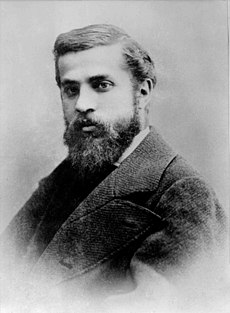
Antoni Gaudí i Cornet, commonly known as Gaudí, was a renowned Spanish architect who left an indelible mark on the cityscape of Barcelona. His distinctive style and innovative approach to architecture made him one of the most influential figures of the modernist movement. This article delves into the life, works, and enduring legacy of Gaudí, highlighting his extraordinary contributions to the field of architecture.
Early Life and Education:
Antoni Gaudí was born on June 25, 1852, in Reus, a town in Catalonia, Spain. From an early age, he displayed a remarkable talent and passion for art and design. In 1868, Gaudí moved to Barcelona to study architecture at the Provincial School of Architecture, where he quickly stood out among his peers with his creative ideas and visionary concepts.
Distinctive Style and Design Philosophy:
Gaudí’s architectural style was characterized by its organic forms, intricate detailing, and the fusion of nature and art. Inspired by natural shapes and patterns, Gaudí sought to bring the beauty of the natural world into his designs. His works often featured curved lines, colorful ceramic tiles, and intricate ironwork, creating visually stunning and unique structures that defied traditional architectural norms.
Iconic Works:
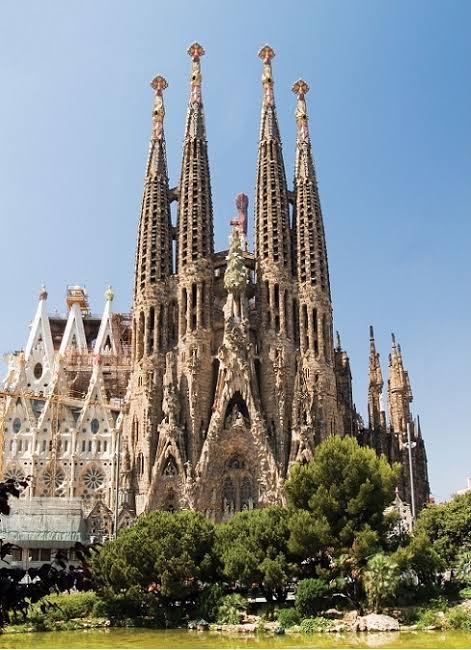
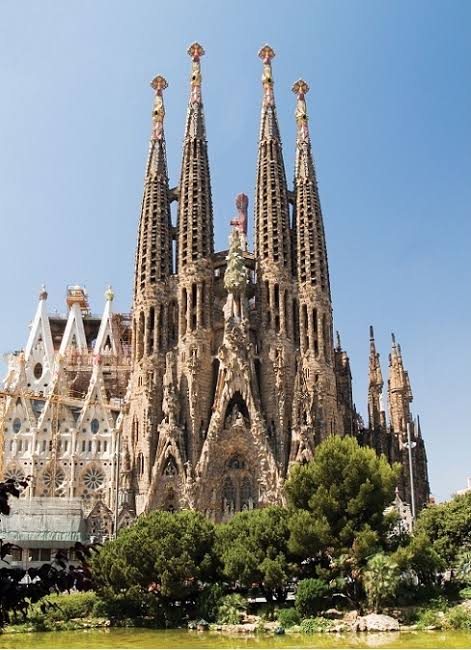
- Sagrada Família: Gaudí’s magnum opus, the Sagrada Família, is a monumental basilica that has become an emblem of Barcelona. Construction began in 1882, and although it remains unfinished to this day, it is a breathtaking example of Gaudí’s architectural genius. The basilica showcases intricate facades, soaring spires, and a harmonious blend of Gothic and Art Nouveau elements.
- Park Güell: Another iconic creation by Gaudí, Park Güell is a public park that showcases his distinctive style. Completed between 1900 and 1914, the park features vibrant ceramic tile work, whimsical structures, and captivating views of the city. It is a UNESCO World Heritage site and provides visitors with an immersive experience of Gaudí’s artistic vision.
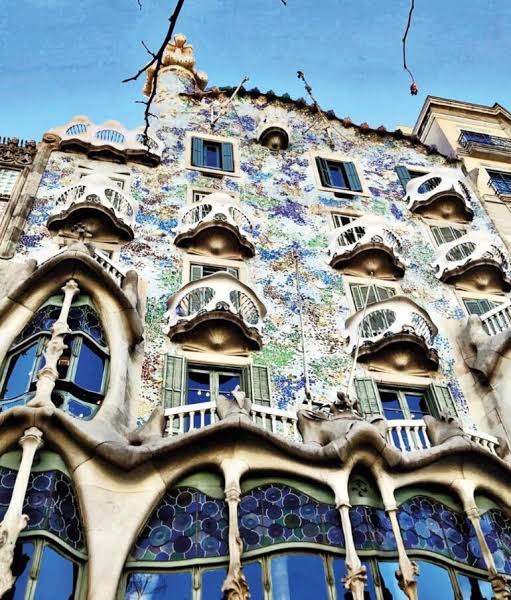
- Casa Batlló: Located in the heart of Barcelona, Casa Batlló is a residential building transformed by Gaudí into a masterpiece. Its undulating façade, colorful mosaics, and imaginative design elements reflect Gaudí’s playful approach to architecture. The interior of the building is equally captivating, featuring intricate woodwork and stained glass.
- Casa Milà (La Pedrera): Designed as an apartment building, Casa Milà, also known as La Pedrera, is a prime example of Gaudí’s architectural ingenuity. Completed in 1912, the building’s undulating stone facade and unique rooftop sculptures create a surreal atmosphere. It currently serves as a cultural center and is recognized as a UNESCO World Heritage site.
Enduring Legacy and Influence:
Antoni Gaudí’s legacy extends far beyond his lifetime. His innovative ideas and revolutionary designs continue to inspire architects, artists, and designers worldwide. His distinctive architectural style, known as Gaudíesque, has become synonymous with Barcelona’s identity and has greatly contributed to the city’s tourism industry.
Antoni Gaudí’s visionary creations have left an indelible mark on the architectural landscape of Barcelona. His unique blend of nature, art, and imagination has made him one of the most revered figures in the world of architecture. From the awe-inspiring Sagrada Família to the whimsical Park Güell, Gaudí’s works continue to captivate and inspire people from all walks of life, ensuring his enduring legacy as a true genius of his craft.

 Exploring Wanderlust: Unveiling the World's Best Destinations and Culinary Delights
Yorum bırakın