
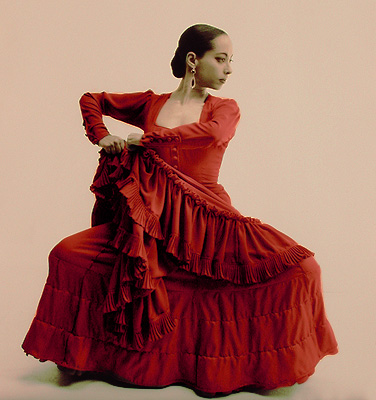
The Significance and Historical Background of Flamenco in Spain
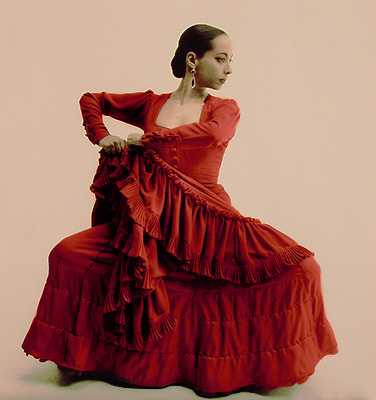
Flamenco, a traditional dance and music style, holds great importance in the cultural heritage of Spain. This article delves into the historical background and significance of Flamenco, showcasing its deep roots in Spanish culture and its enduring impact on the world stage.
Historical Background:
Flamenco’s origins can be traced back to the southern region of Spain, particularly Andalusia. It emerged from a blend of influences, including the Moors, Arabs, Jews, and Gypsies who settled in the region. These diverse cultural elements converged to create a distinct form of expression that would become known as Flamenco.
The Gypsy Influence:
The Gypsies, known as the Romani people, played a significant role in the development of Flamenco. With their nomadic origins, they brought their unique musical traditions and dance forms, infusing them with the existing Andalusian culture. The Gypsies’ passionate performances and soulful expressions became central to Flamenco’s identity.
Musical Elements:
Flamenco’s music is characterized by the interplay of three essential elements: cante (song), toque (guitar playing), and baile (dance). The cante often features heartfelt lyrics reflecting themes of love, loss, and longing. The guitar serves as a fundamental accompaniment, employing intricate techniques and rhythms to enhance the emotional intensity of the performance.
The Flamenco Dance:
Flamenco dance is a visually captivating aspect of the art form. Dancers employ intricate footwork, hand movements, and body postures to convey a range of emotions. From the percussive heel stomps to the graceful arm movements, the dance embodies the soul of Flamenco, captivating audiences worldwide.
Cultural Significance:
Flamenco is deeply intertwined with Spanish culture and has become an integral part of the nation’s identity. It serves as a powerful vehicle for storytelling and self-expression, providing a means for individuals to connect with their heritage and share their emotions. Its inclusion as UNESCO Intangible Cultural Heritage in 2010 further underscores its significance.
Flamenco Today:
Beyond its cultural significance in Spain, Flamenco has gained international acclaim and captivated audiences worldwide. It has influenced numerous dance and music genres globally, inspiring artists to incorporate its passion and artistry into their own works. Flamenco schools, festivals, and communities exist globally, ensuring its preservation and evolution for future generations.
Flamenco stands as a testament to Spain’s rich cultural tapestry, merging diverse influences into a profound and captivating art form. Its historical roots and enduring significance have made it a cherished aspect of Spanish heritage, while its global reach showcases its universal appeal. As Flamenco continues to evolve and inspire, it remains an invaluable treasure that reflects the spirit and passion of Spain.
 Exploring Wanderlust: Unveiling the World's Best Destinations and Culinary Delights
Yorum bırakın